Simple steps to transform waste into valuable garden nutrients
Understanding the science behind decomposition
Start by collecting organic materials like fruit and vegetable scraps, coffee grounds, eggshells, and yard waste. Avoid meat, dairy, and oily foods in standard composters.
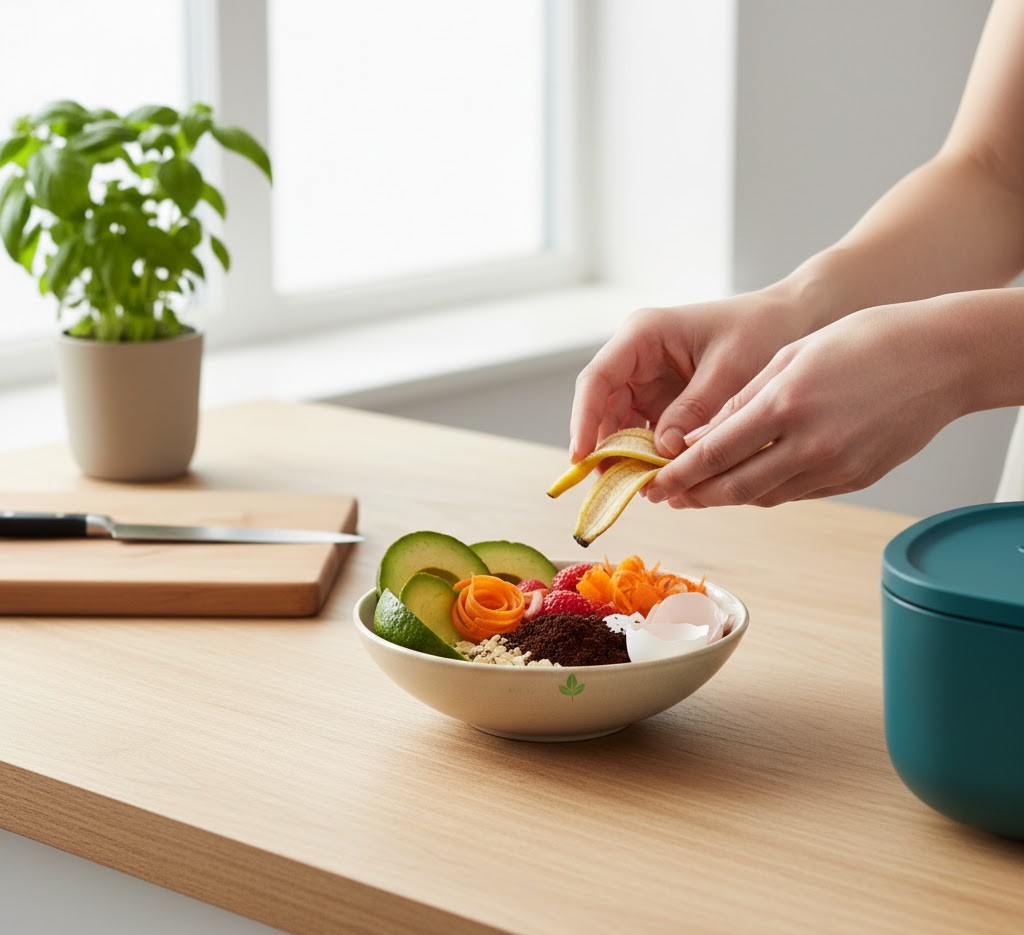
Microorganisms break down organic matter into simpler compounds. Proper balance of greens (nitrogen) and browns (carbon) accelerates this process.
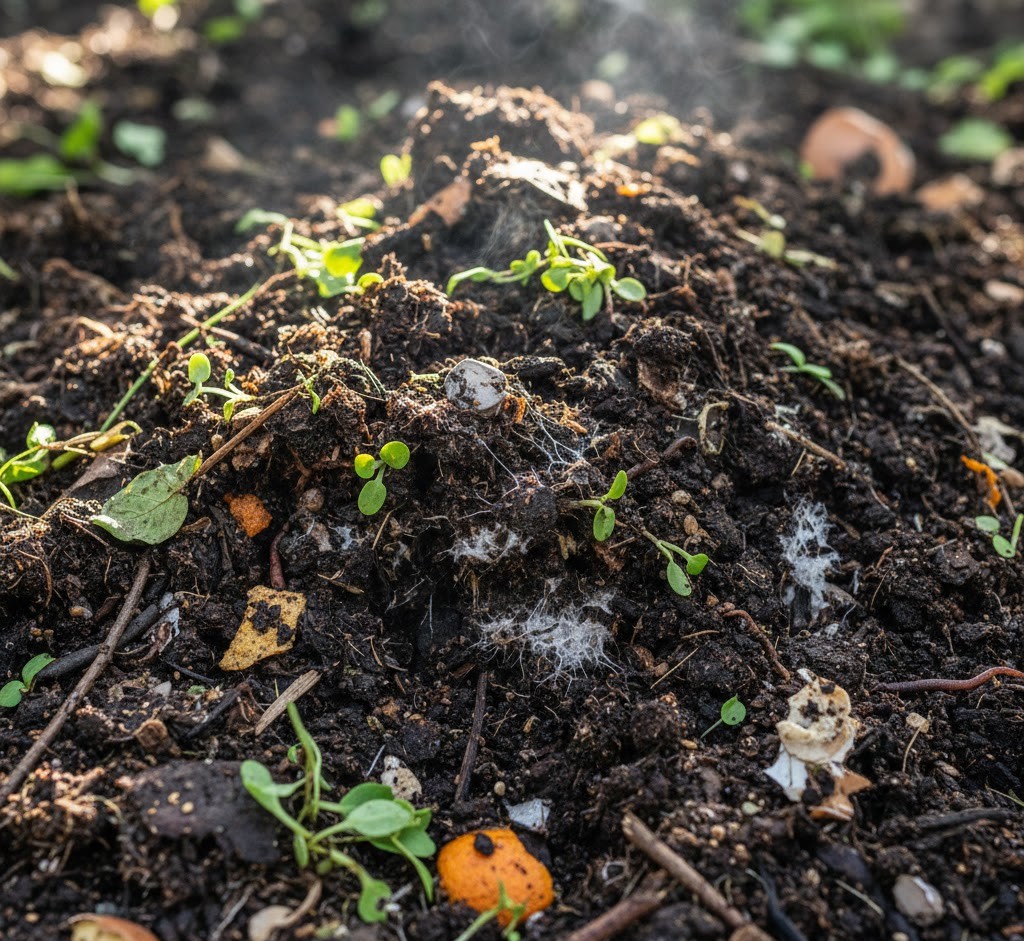
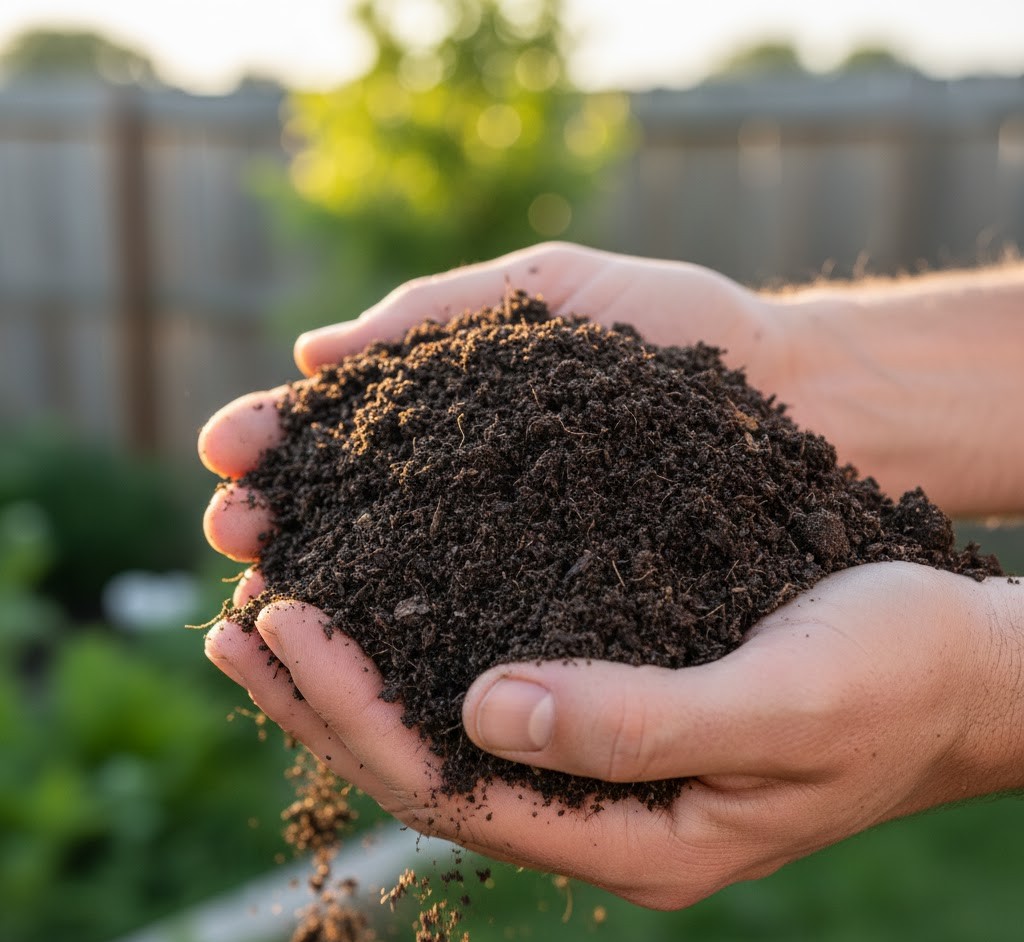
As decomposition completes, the material transforms into dark, crumbly humus rich in nutrients. This final product is ready to enrich your garden soil.
Tips for successful composting
Aim for a 2:1 ratio of browns (carbon-rich) to greens (nitrogen-rich). Browns include dry leaves, cardboard, and straw. Greens include fresh grass clippings and kitchen scraps.
Your compost should feel like a wrung-out sponge. Too dry slows decomposition; too wet creates odors. Add water or dry materials as needed.
Turn or mix your compost every 1-2 weeks to introduce oxygen. This prevents odors and speeds up the process significantly.
Step-by-step guide to get started
Place your composter in a convenient location. For outdoor models, choose a level spot with good drainage. Indoor models should be placed where you can easily access them daily.
Begin adding organic waste regularly. Chop larger items into smaller pieces to speed decomposition. Layer greens and browns for best results.
Check moisture levels weekly and turn the compost regularly. The process typically takes 30-90 days depending on conditions and materials used.
When compost is dark, crumbly, and earthy-smelling, it's ready. Use it to enrich garden soil, top-dress lawns, or create potting mixes.
Common issues and solutions
Foul odors usually indicate too much moisture or lack of oxygen. Add dry brown materials and turn the compost more frequently.
If decomposition is slow, check your carbon-to-nitrogen ratio, ensure adequate moisture, and increase aeration frequency.
Keep meat and dairy out of standard composters. Use a secure lid and consider a tumbler design to prevent access by animals.
Get expert guidance on choosing and using your composter
We use cookies and similar technologies to enhance your browsing experience and analyze site traffic. By clicking "Accept", you consent to our use of cookies. Learn more